Elephant Seals
Friends of the Elephant Seal
The Friends of the Elephant Seal are available to answer questions at the viewing areas from 10 am to 4 pm daily. Look for the blue jackets to find a docent. Docents and the information they share will enrich your viewing experience. The viewing area and the docent station (Elephant Seal Vista Point) are located in the shadow of the historic Piedras Blancas Lighthouse. Follow your visit with a guided tour of the monument that has guided mariners along the coast since 1875.
Elephant Seals & Stewardship Travel
Stewardship Travel is your getaway to ‘Ah-Ha’ moments on vacation through activities and charitable donation opportunities that protect wildlife, habitat, and cultural heritage sites. Gain a deeper connection while on vacation with this amazing stewardship program.
This activity selection includes:
*A learning activity and/or outing
*A conservation/heritage donation opportunity through Friends of the Elephant Seal
Thank you for being a Stewardship Traveler along the Highway 1 Discovery Route.
Elephant Seal Visitor Center
The Friends of the Elephant Seal Visitor Center and Gift Shop is located in the Cavalier Plaza, right next to the Chamber of Commerce at 250 San Simeon Avenue, Suite 5A. They’re open every day from 10:00 am to 4:00 pm. Stop in and check it out.

Elephant Seal Facts & FAQ
- How fast do elephant seals move? Don’t be fooled by their name or their size — while elephant seals may lack stamina, they can move 6 mph in short bursts on land.
- How fast do elephant seals swim? Elephant seals can travel up to 10 mph underwater, though they typically slow down to conserve energy.
- How long do elephant seals live? The lifespan of elephant seals varies between males and females. On average, females live up to 19 years, while males live only about 13 years.
- Are elephant seals larger than walruses? Elephant seals are the largest of the seal species. When compared to walruses, elephant seals are much larger in size, averaging 3-6 feet longer and thousands of pounds heavier.
- How long can elephant seals hold their breath? Elephant seals can hold their breath for longer than almost any other mammal, diving beneath the waves for up to two hours without surfacing for air.
- Do elephant seals have any natural predators? Orca whales and great white sharks are the primary predators of elephant seals.
- What do elephant seals eat? Elephant seals are primarily carnivorous. They feed mostly on squid and fish, but their diet also includes small sharks, rays, shellfish, krill, and algae.
- Where do the seals go when they leave the rookery? The seals live a solitary lifestyle, spending 8-10 months of the year at sea. Most of this time is spent in deep water, searching for food. Their feeding areas can extend as far as 3,000 miles, from Oregon to the Aleutian Islands.
Wildlife Viewing Nearby
- Zebras of Hearst Castle
- Whale Watching
- Bird Watching
- Otter Spotting
- Coastal Discovery Center
- See All — Wildlife Viewing

Explore Old San Simeon Village
Step off Highway 1 and into the historic heart of San Simeon at Old San Simeon Village, where coastal scenery and local history come together just minutes from Hearst Castle. Once a bustling hub for the Hearst Ranch and coastal shipping, the village is now an easygoing place to slow down, stretch your legs, and experience a quieter side of the Central Coast.
Start at Sebastian’s General Store, a historic gathering place dating back to the 1850s, where you can grab a bite, browse the shop, or enjoy the character of one of San Simeon’s most recognizable landmarks. From there, wander toward the San Simeon Pier for Pacific views, wildlife watching, fishing, and photography. The nearby Pacific Schoolhouse offers another glimpse into the community’s past, while the waterfront makes it easy to pause and take in the scenery.
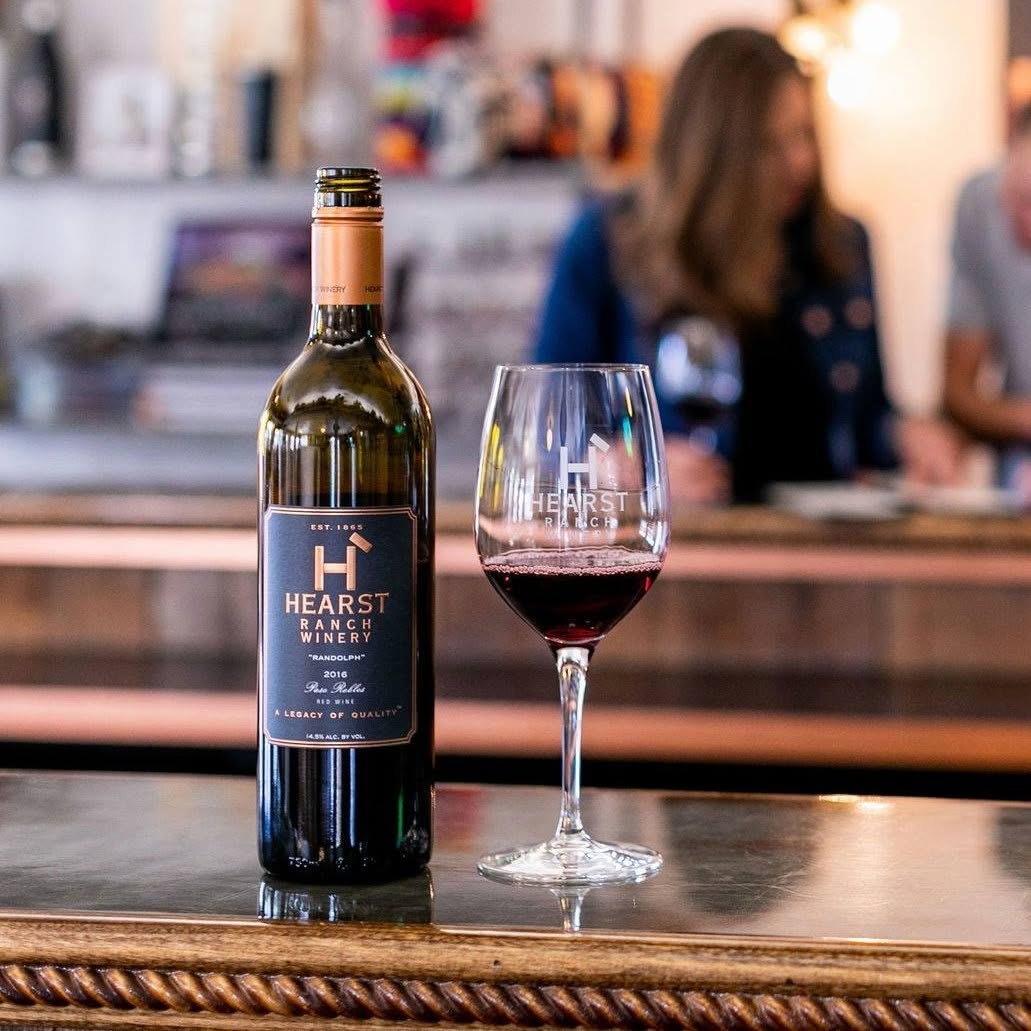
For an especially memorable stop, visit the Hearst Ranch Winery tasting room, where estate wines meet ocean views just steps from the shoreline. Pair a tasting with a stroll along the pier or a casual meal at Sebastian’s for an easy afternoon that blends history, food, wine, and the coast.
Places to Stay Along the Coast
Make the most of your San Simeon getaway with a stay that puts you close to the Pacific, scenic Highway 1, and the area’s top attractions. Whether you want to wake up to ocean views, explore the rugged coastline, or settle into a peaceful retreat after a day of sightseeing, there’s a coastal stay to suit your trip.
- Ragged Point Inn (Ragged Point, North of San Simeon) — Perched high above the Pacific, Ragged Point Inn offers a dramatic coastal escape surrounded by sweeping ocean views and the rugged beauty of Big Sur. It’s an ideal home base for travelers continuing north along Highway 1 or looking for a scenic place to slow down and stay awhile.
- Cavalier Oceanfront Resort (San Simeon) — Set directly along the coast, Cavalier Oceanfront Resort makes it easy to enjoy San Simeon’s seaside setting. Relax by the ocean, take in the views, and enjoy convenient access to nearby attractions, including Hearst Castle and the beaches and wildlife of the Central Coast.
- Additional Places to Stay